Understanding ISO 27001
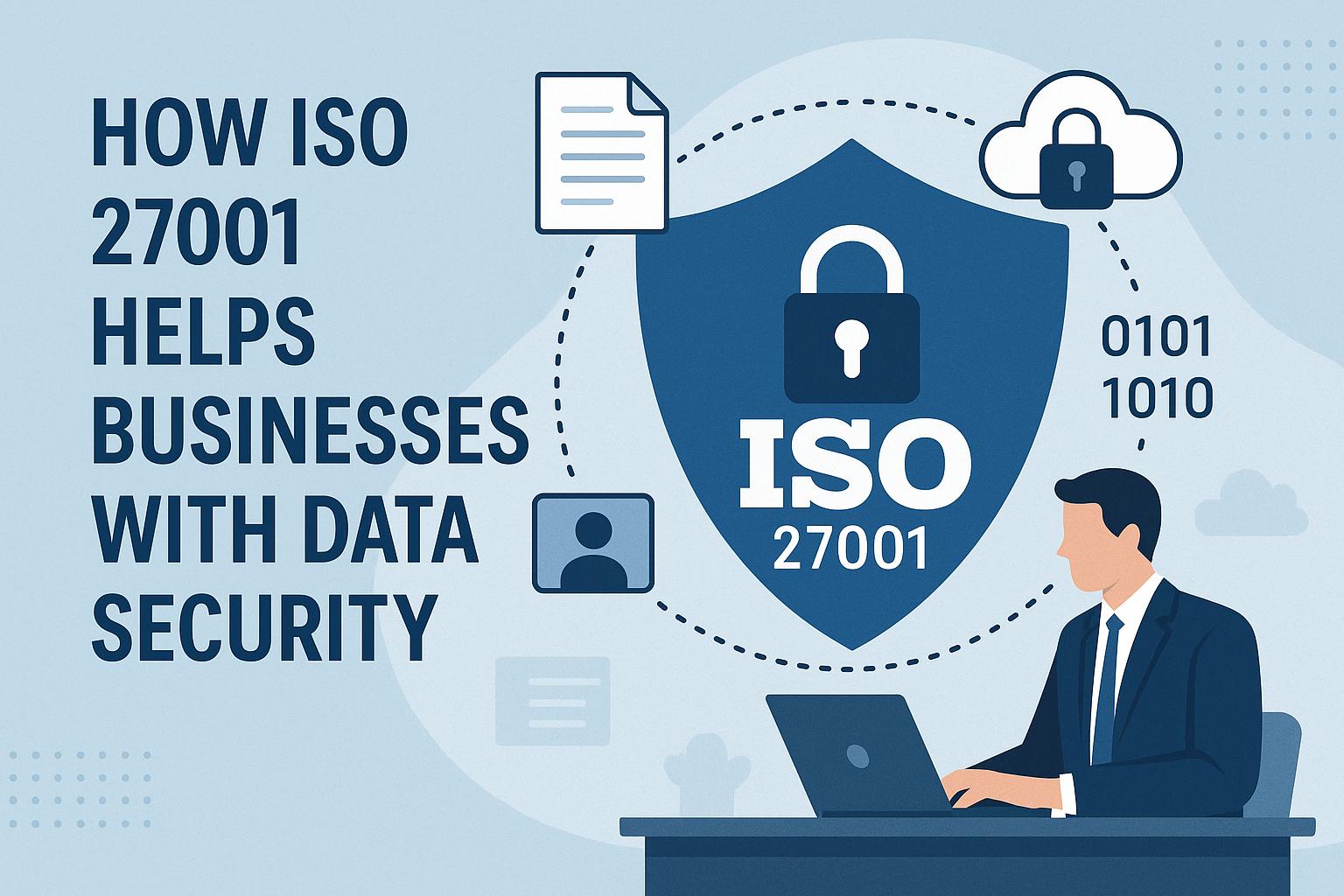
ISO 27001 is an internationally recognized standard that provides a framework for establishing, implementing, maintaining, and continually improving an Information Security Management System (ISMS). The main aim is to help organizations manage their data security effectively by ensuring confidentiality, integrity, and availability of information.
The Core Components of ISO 27001
At the heart of the ISO 27001 standard are its requirements for an ISMS, which include defining the scope, objectives, and processes necessary to achieve tailored security needs. An essential part of the system is the risk management process, where organizations assess vulnerabilities and threats to manage and mitigate risks.
Leadership and Commitment are vital for the successful implementation of ISO 27001. Top management must be actively involved and demonstrate their commitment to the ISMS. Their role involves setting clear expectations, allocating necessary resources, and fostering a culture that prioritizes information security across the organization.
Information Security Policies are central to the ISMS framework. These policies should align with the strategic direction and objectives of the organization. They provide a clear guideline on how to protect information assets and respond to potential security incidents.
The Risk Assessment is a critical component of ISO 27001. Organizations must conduct regular assessments to identify potential security threats and vulnerabilities. This process involves evaluating the likelihood of these risks and their potential impact on the organization, which helps in developing strategies to handle them effectively.
The standard also highlights the importance of setting up a continuous management process to monitor, review, and improve the ISMS. This process involves setting performance evaluation criteria, conducting internal audits, and reviewing the system periodically to ensure its effectiveness and appropriateness.
Benefits for Businesses
Implementing ISO 27001 offers numerous benefits for organizations that are concerned about data security. One primary advantage is risk mitigation. Through a systematic approach, organizations can identify potential threats and minimize risks by implementing appropriate security controls. This proactive management of risks can significantly reduce the likelihood of data breaches and their associated impacts.
Another notable benefit is the enhancement of reputation. Achieving ISO 27001 certification demonstrates an organization’s commitment to protecting sensitive information, which can enhance trust and reliability with clients and business partners. In today’s competitive market, being ISO-certified often leads to a competitive advantage. More and more businesses prefer to collaborate with organizations that have robust data protection measures in place, thus making ISO 27001 certification a key differentiator.
Beyond improving internal operations, ISO 27001 can also pave the way for improved business opportunities. Many tenders and contractual agreements now require that businesses have an ISMS compliant with ISO 27001. Therefore, certification can be a determining factor in qualifying for and successfully winning contracts and partnerships.
Legal Compliance and Customer Confidence
Achieving ISO 27001 certification also supports businesses in complying with relevant legal and regulatory requirements concerning data security. This aspect is crucial for avoiding costly legal penalties and fines, especially in industries with stringent data protection laws. In an era where high-profile data breaches can severely damage reputation and incur significant costs, adhering to the ISO 27001 standard boosts customer confidence, providing assurance that their information is being well-protected under recognized security practices.
By ensuring high standards of data protection, businesses not only protect themselves from legal repercussions but also enhance their credibility. Customers are more likely to trust companies that have demonstrated their ability to protect their data adequately, ultimately leading to increased customer retention and satisfaction.
Continuous Improvement with ISO 27001
One of the distinctions of ISO 27001 is its emphasis on continuous improvement. Organizations are required to regularly review and update their ISMS to align with the evolving landscape of data risk. This iterative process not only enhances security posture but also ensures that businesses remain resilient and responsive to emerging threats.
Regular internal audits, management reviews, and continual monitoring of the ISMS help identify areas of improvement. This proactive stance enables organizations to adjust their strategies and address new vulnerabilities promptly.
Furthermore, the culture of continuous improvement cultivated by ISO 27001 ensures that all organizational members are involved in the security management process, creating a more resilient environment where security is everyone’s responsibility.
For more detailed information on the standard, businesses can consult the ISO official documentation which provides comprehensive guidelines on implementing and maintaining an ISMS.
Conclusion
ISO 27001 offers a structured approach to securing data, helping businesses manage risks and build resilience against information breaches. As data security becomes increasingly vital, adopting the ISO 27001 standard not only safeguards an organization’s assets but also enhances its credibility and competitiveness in the marketplace. Through effective implementation of this standard, businesses can achieve greater operational efficiency and stakeholder trust, paving the way for sustained success and growth in the ever-evolving digital landscape.