Introduction to Trade Standards in the Textile Industry
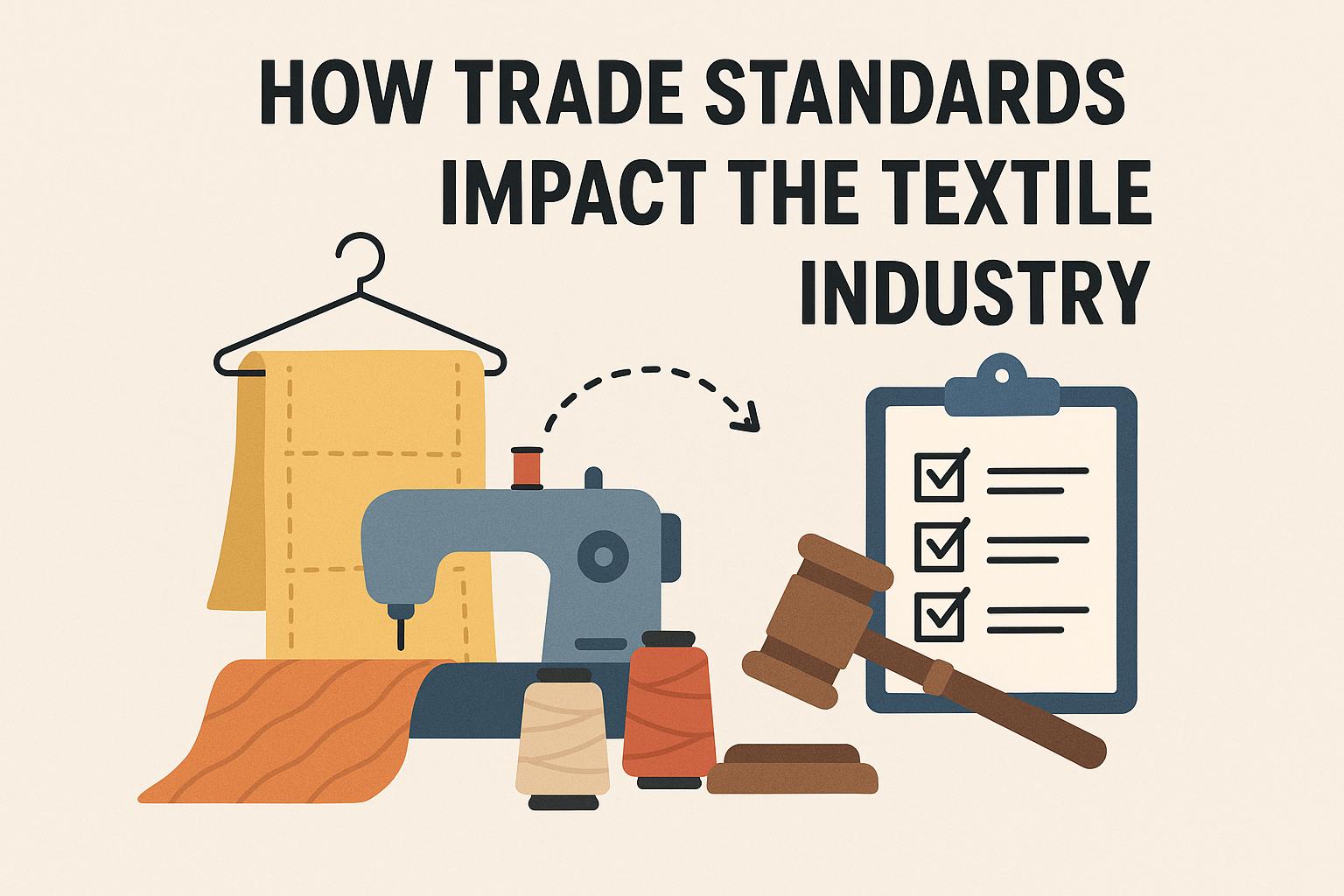
In the textile industry, trade standards play a pivotal role in shaping not only the manufacturing processes but also the global market dynamics. These standards, established by international and national bodies, aim to ensure quality, safety, and sustainability across the industry. As the textile sector continues to evolve, understanding the impact of these trade standards is essential for businesses aiming to remain competitive.
The Role of Trade Standards
Trade standards in the textile industry are set to create a level playing field for all stakeholders. They encompass a wide array of factors, including product quality, environmental sustainability, and labor conditions. Such standards can be developed by organizations like the International Organization for Standardization (ISO) or enforced through trade agreements between countries.
Product Quality: Trade standards set minimum quality requirements for textiles to ensure consumer safety and satisfaction. These standards cover aspects like tensile strength, colorfastness, and sizing accuracy.
Environmental Sustainability: As environmental concerns grow, standards are increasingly focused on sustainability. They promote eco-friendly production methods, efficient use of resources, and waste reduction, aligning with global environmental goals.
Labor Conditions: Ensuring fair labor practices is central to many trade standards. They mandate safe working conditions, reasonable working hours, and fair wages, aiming to eliminate exploitation and improve the lives of workers in the textile industry.
Impact on Global Trade and Economy
Trade standards significantly influence global trade and the economy by determining market access. Countries that adhere to international standards gain better access to global markets, while those that do not may face trade barriers. This adherence fosters competition and innovation, driving economic growth.
Moreover, companies that meet trade standards often enjoy improved brand reputation and customer trust, leading to increased market share. Compliance can also lead to cost advantages, as standardized processes often result in reduced waste and improved efficiency.
Challenges and Opportunities
Adapting to trade standards poses several challenges for textile manufacturers, especially in developing countries. The need for investment in new technologies and processes can be a significant barrier. Additionally, the complexity of meeting diverse standards across different markets can strain resources.
Nevertheless, these challenges also present opportunities. By investing in compliance, companies can tap into new markets and benefit from trade agreements. Moreover, adopting sustainable practices can lead to innovations that offer competitive advantages in increasingly eco-conscious markets.
The Future of Trade Standards in the Textile Industry
As the textile industry continues to globalize, the importance of trade standards will only grow. Future developments are likely to focus on greater harmonization of standards to simplify international trade. Increased emphasis on sustainability will also drive change, encouraging more responsible production and consumption patterns.
Technological advancements, such as blockchain, could facilitate compliance and transparency, offering real-time tracking of supply chains to ensure adherence to standards. These technologies hold the promise of reducing trade barriers and fostering trust among global trading partners.
Conclusion
In summary, trade standards are instrumental in shaping the landscape of the textile industry. They promote quality, sustainability, and fairness, offering both challenges and opportunities for industry players. As these standards evolve, staying informed and compliant will be crucial for businesses aiming to thrive in the global market. For further information on textile trade standards, resources are available through industry associations and international trade bodies.
Historical Background and Evolution
The development of trade standards in the textile industry reflects the broader narrative of industry transformation over centuries. In the early days, textiles were largely crafted by hand. During this period, the absence of formalized standards meant a high degree of variability in product quality and labor conditions. As countries industrialized, the need for standardized measures of production became evident.
With the advent of the Industrial Revolution in the 18th and 19th centuries, textile production underwent rapid expansion, initially in Europe and North America, and later on a global scale. It was during this era that initial attempts to introduce standard practices took root, primarily for efficiency and economic reasons, but gradually embracing quality and safety elements.
The post-World War II period marked another critical juncture in the evolution of trade standards. As international trade began to flourish, there arose a necessity for cross-border uniformity in products. Organizations such as the International Organization for Standardization (ISO) were instrumental in rallying countries towards harmonized standards that facilitate trade while ensuring basic quality and safety levels in textile products.
Specific Trade Standards in Detail
ISO Standards: Among the most recognized are the various ISO standards applicable to textiles, such as ISO 105 that covers a range of tests for color fastness, ensuring colors in textiles do not fade easily under exposure to light, washing, or perspiration. Furthermore, ISO 9001 offers guidelines for quality management systems within textile companies, ensuring a consistent level of product quality.
OEKO-TEX® Standard: This label certifies that the textile products are free from harmful substances. It encompasses extensive testing against a blacklist of over 1000 chemicals, helping manufacturers assure the textile products’ safety for consumers.
Embracing such standards indicates a company’s commitment to both consumer safety and environmental responsibility, gaining goodwill and trust in increasingly aware markets.
Technology and Standardization
In parallel with the traditional standards setting avenues, technology plays a transformative role. Digitalization and automation are profound changes that affect the textile industry, with significant implications for trade standards. Advanced manufacturing technologies foster precision and heightened quality, aligning with stringent standard requirements.
Innovative Materials: Textile innovations, such as smart fabrics and nano-fibers, necessitate new standards to address unique properties and ensure safety and quality across these emerging materials. Institutions involved in standardization are increasingly tasked with adapting swiftly to formalize protocols that adequately address these technological advances.
Challenges for Small and Medium Enterprises (SMEs)
While adhering to trade standards offers extensive benefits, smaller players such as Small and Medium Enterprises (SMEs) often encounter significant hurdles in achieving accreditation and compliance. Financial and infrastructural constraints inhibit their ability to adopt new standards, often requiring external assistance or partnerships to fulfill these needs.
Efforts to democratize access to resources, through government aided programs or international aid, are crucial in elevating SMEs, integrating them effectively into a more structured and standardized landscape.
Conclusion
Trade standards play an indispensable role in the textile industry, acting as a blueprint for quality, ethical responsibility, and international market participation. As the textile world evolves, staying abreast of new regulations and innovating within the frameworks provided by trade standards will serve as a defining factor for success. These standards not only impact the operational facets of business but significantly influence the socio-economic and environmental arenas in the broader global context. The textile industry’s commitment to standardization echoes a collective journey towards achieving a more transparent, sustainable, and equitable trading world.