Understanding ISO 50001
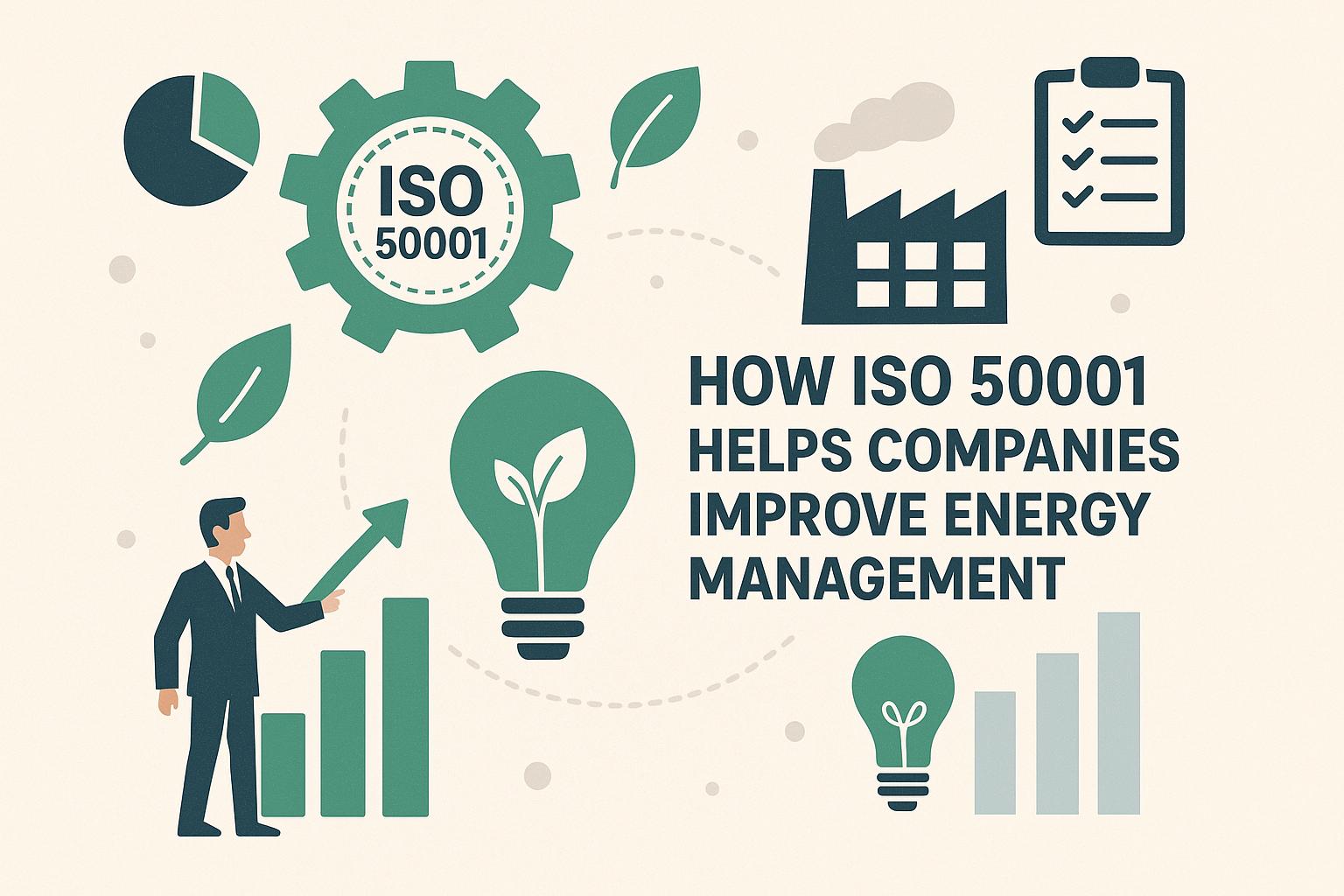
ISO 50001 is an internationally recognized standard dedicated to energy management. This guideline is established by the International Organization for Standardization (ISO), a body well-regarded for setting international standards across various sectors. The primary aim of ISO 50001 is to equip organizations with a structured framework that facilitates the establishment, implementation, maintenance, and enhancement of their energy performance systems. By integrating this standard, companies can develop a systematic approach to continually improve their energy management practices. This systematic approach has the potential to generate significant cost savings alongside reductions in environmental impact.
The Framework of ISO 50001
Central to ISO 50001 is its adoption of the Plan-Do-Check-Act (PDCA) model, a methodology widely utilized across various management systems. This cyclical process consists of several critical components:
Plan: This initial stage involves establishing the objectives and processes necessary to deliver results that align with the organization’s energy policy. Setting clear, measurable objectives is crucial to forming an effective energy management plan.
Do: In this phase, the energy management plan is implemented. It involves deploying the strategies crafted during the planning stage and ensuring that resources are correctly allocated and utilized.
Check: This step focuses on monitoring and measuring processes in relation to the energy policy, objectives, targets, and legal requirements. It is essential to report and analyze the results, thus identifying any discrepancies or areas of potential improvement.
Act: The final act in the cycle calls for taking corrective actions to foster improvements in both energy performance and the overall energy management system. This ensures the organization continues to progress towards its energy goals. By repeating this PDCA cycle, businesses can continually improve their energy performance over time.
Benefits of Implementing ISO 50001
Implementing ISO 50001 encompasses a host of advantages, particularly for organizations seeking to optimize their energy management systems:
Energy Cost Reduction: One of the primary benefits of ISO 50001 lies in its potential to lower energy costs. By optimizing energy usage and striving for efficiency, organizations can see substantial savings in their energy expenditures.
Regulatory Compliance: The standard assists companies in fulfilling energy-related legal and regulatory exigencies, ensuring compliance with current laws and policies. This can mitigate the risk of legal issues associated with energy use and environmental regulations.
Environmental Benefits: By enhancing energy management, companies can reduce their greenhouse gas emissions and environmental footprint. This is increasingly important in light of the global push for environmental conservation and sustainability.
Increased Competitiveness: Organizations adopting ISO 50001 can leverage their commitment to sustainability and energy efficiency as a competitive edge. Demonstrating a commitment to progressive energy management can enhance brand reputation and attract environmentally conscious clients and stakeholders.
Implementing ISO 50001 in Your Organization
For organizations contemplating the application of ISO 50001, several key steps can aid successful implementation:
Management Commitment: Strong leadership and commitment from top management are crucial. This sets the tone for company-wide alignment of organizational goals with energy management objectives and underscores the importance of the energy management system.
Energy Review: Conducting a thorough energy review is critical to identify areas for improvement. This review should establish baseline energy performance indicators, essential for setting tangible and achievable goals.
Awareness and Training: Raising awareness and providing extensive training to employees ensures that all team members understand their roles within the energy management process and contribute actively to its success. Effective communication helps to foster an organizational culture that emphasizes energy efficiency.
Monitoring and Measurement: Employing various monitoring tools and systems is vital for tracking energy performance continuously. This enables organizations to accurately assess performance and identify areas that may benefit from improvements.
Continuous Improvement and Certification
Achieving certification in ISO 50001 should be viewed as a milestone rather than the ultimate goal. Rather, it marks a significant step within an ongoing continuous improvement process. Organizations are encouraged to regularly reassess and refine their energy management practices. This ensures they remain abreast of cutting-edge technological advancements and emerging best practices in energy management. Moreover, obtaining third-party certification can serve to enhance an organization’s credibility, providing stakeholders with reassurance regarding the company’s commitment to energy management excellence.
For more detailed information on ISO 50001 and to understand how this standard can be beneficial for your business, consider exploring additional resources and insights offered by the International Organization for Standardization. The official ISO website contains comprehensive data and guidelines on ISO 50001 standards and more.