Understanding Ethical Sourcing Standards
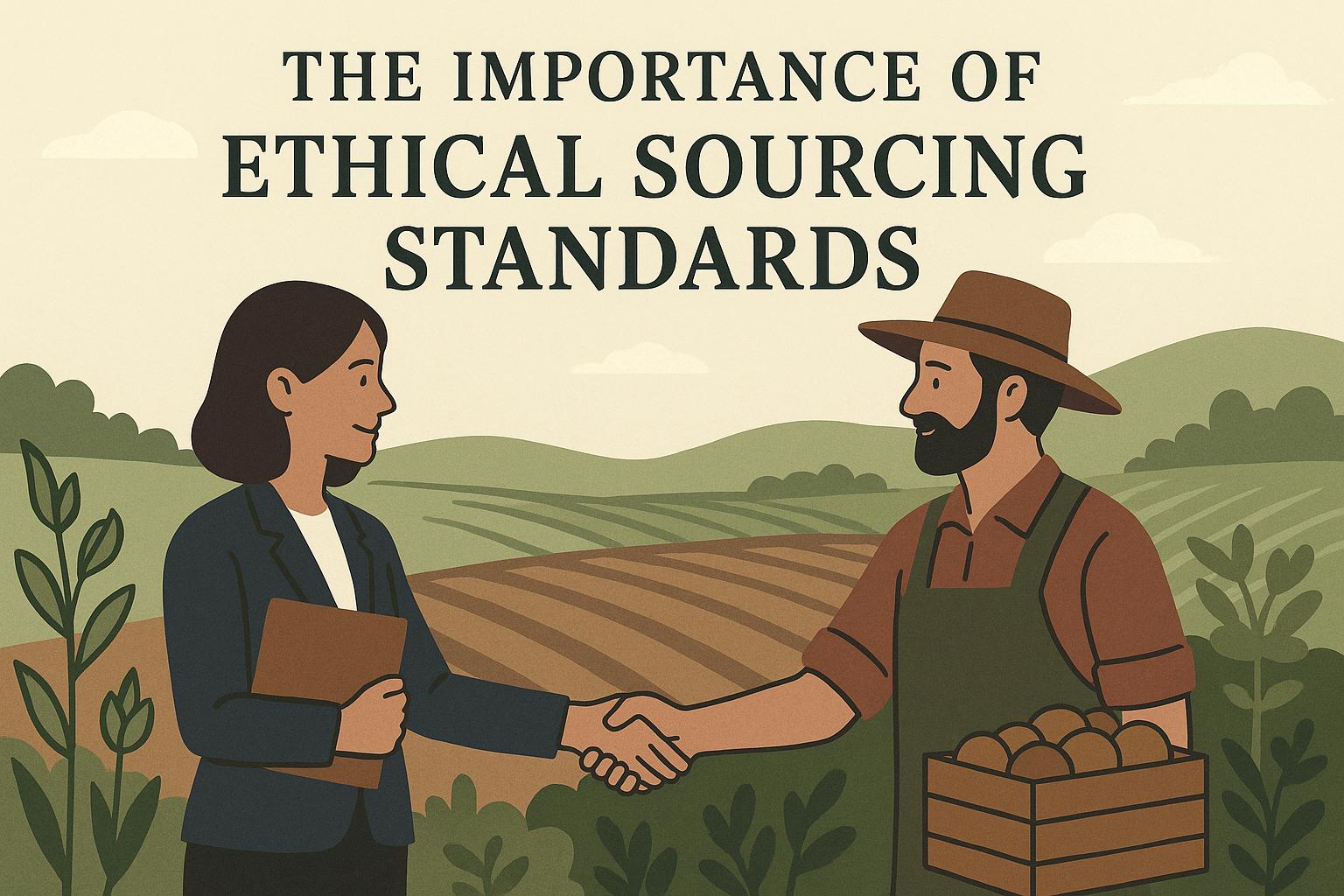
Ethical sourcing standards have become a vital component of global supply chains, significantly influencing how organizations conduct their business. Ethical sourcing entails a commitment to obtaining products in a manner that is both responsible and sustainable, inclusive of evaluating the environmental, social, and economic implications of sourcing decisions. For companies keen on enhancing their corporate social responsibility (CSR) footprint, ethical sourcing is an essential consideration.
Environmental Considerations
Incorporating environmental sustainability into sourcing practices is a crucial element of ethical sourcing. Companies are increasingly focused on minimizing their environmental impact by choosing materials and procedures that are more ecologically sustainable. This commitment can manifest in various ways, such as the utilization of renewable resources, the reduction of waste, and the minimization of carbon footprints. By integrating environmentally conscious strategies, organizations play a pivotal role in the conservation of natural resources and in mitigating environmental degradation.
Implementing sustainable practices consists of evaluating each element of the supply chain for potential improvements. Whether it’s selecting suppliers who engage in sustainable practices or ensuring transportation methods are energy-efficient, companies proactively work to lower their ecological impact.
Social Impact
Beyond environmental considerations, ethical sourcing strongly emphasizes the social repercussions within supply chains. A key objective is to ensure the employment of fair labor practices, a goal that necessitates the verification of safe working conditions, reasonable working hours, and fair wages for workers. It is critical to eliminate exploitative practices, such as child labor and forced labor, ensuring that human rights are respected throughout the supply chain.
By prioritizing these social concerns, companies not only protect the rights of individuals but also foster a more equitable work environment. The focus on fair labor yields multiple benefits, including improved worker morale, enhanced productivity, and reduced turnover. Emphasizing social impact often requires collaboration with non-governmental organizations, local communities, and labor unions to effectively advocate for and implement wages and working condition improvements.
Economic Benefits
In addition to addressing environmental and social parameters, ethical sourcing can be economically advantageous for businesses. As consumer awareness regarding product origins increases, more individuals are consciously choosing products that align with their ethical values. Companies adhering to ethical standards often enjoy enhanced brand reputation and increased customer loyalty as a result.
Adopting ethical sourcing standards also provides significant benefits in terms of supply chain efficiency. Transparent and responsible sourcing practices can streamline processes, reduce risks associated with unethical practices, and help mitigate the possibility of legal challenges. Furthermore, ethical practices can fertilize fertile ground for innovation, allowing companies to distinguish themselves in a competitive marketplace by offering products that not only satisfy consumer needs but also align with their ethical values.
The Role of Certifications
Certifications serve as a fundamental pillar in promoting and validating ethical sourcing practices. Organizations such as Fair Trade, the Rainforest Alliance, and other similar bodies offer certification to companies meeting specific ethical criteria. Such certifications act as a trust mark, assuring consumers that the products they purchase adhere to established ethical and sustainability standards.
Obtaining these certifications requires companies to undergo rigorous assessments and maintain ongoing compliance with specified criteria. Certification not only affords businesses competitive advantages by enhancing consumer trust but also contributes to the broader promotion of sustainable practices within industry sectors.
Implementing and maintaining ethical sourcing standards demands a comprehensive approach that involves a commitment to continuous improvement. Organizations often collaborate with suppliers and other stakeholders in a joint endeavor to uplift ethical and sustainable practices. This collaborative approach is not merely about compliance; it’s about gaining a strategic edge in the marketplace by showcasing an unwavering commitment to ethical practice.
One of the challenges businesses face in implementing ethical sourcing is the dynamic nature of global supply chains. Factors such as changing regulations, economic shifts, and evolving consumer expectations require organizations to adapt their strategies continually. Success in this domain depends on a proactive approach to monitor and evaluate sourcing practices, ensuring they meet ethical standards amid changing circumstances.
Therefore, companies that incorporate ethical sourcing as part of their business strategy not only contribute to creating a more equitable and just world but also enhance their ability to thrive in modern business environments. These businesses are better equipped to navigate reputational, operational, and regulatory challenges while building stronger, more resilient supply chains.
In conclusion, while the implementation of ethical sourcing standards requires dedication and commitment, the payoff can be significant. Organizations that champion ethical sourcing demonstrate leadership by aligning their business practices with the values of their consumers and fostering positive change across global supply chains. Ethical sourcing is an ongoing journey of continuous refinement and commitment to sustainable and responsible business practices.