
Understanding ISO 22000
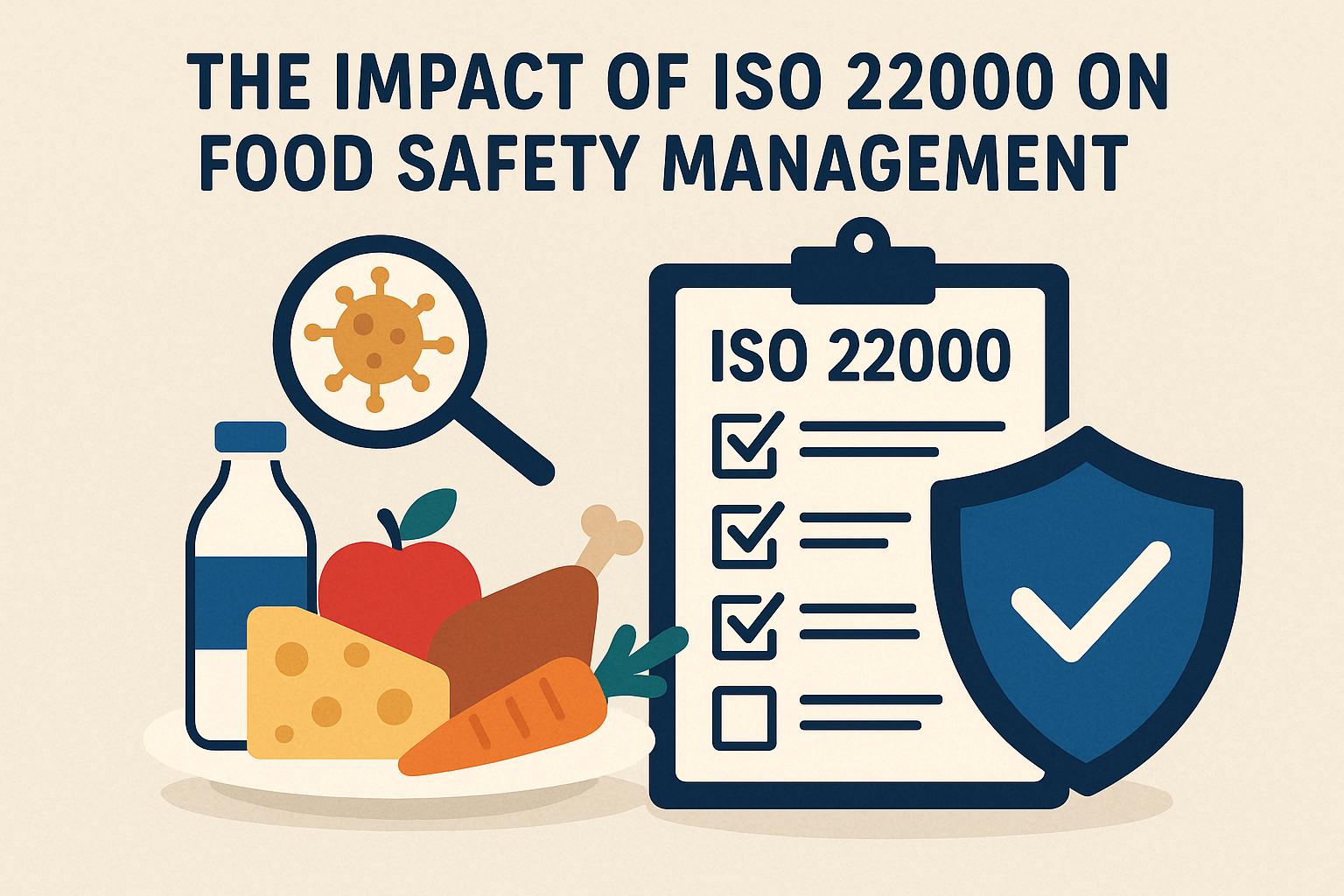
ISO 22000 is an international standard that outlines requirements for a food safety management system, helping organizations ensure food safety along the entire supply chain. Established by the International Organization for Standardization (ISO), this standard forms part of the broader ISO 22000 family, all dedicated to ensuring safe practices in the food industry. This robust framework applies to every entity involved in the food chain, from primary producers like farmers to large-scale food manufacturers, retailers, and even service providers such as caterers. By incorporating essential Hazard Analysis and Critical Control Points (HACCP) principles and Good Manufacturing Practices (GMP), ISO 22000 establishes a universal platform for managing food safety concerns.
Key Components of ISO 22000
ISO 22000 is built on several crucial elements, each playing a vital role in the effective management of food safety:
Interactive Communication
Communication is a cornerstone of ISO 22000, facilitating the exchange of critical food safety information among stakeholders involved in the food chain. This continuous interaction ensures that each party is aware of potential hazards and the necessary control measures, aiding in the seamless implementation of food safety policies.
System Management
This component emphasizes the need for an organized management system, inclusive of documented procedures. The documentation can be aligned with other management frameworks, such as ISO 9001, allowing for an integrated approach towards achieving quality and safety in food production.
Prerequisite Programs (PRPs)
These are fundamental conditions and activities imperative for creating and maintaining a hygienic production environment. PRPs address various aspects of food safety, such as environmental hygiene, employee practices, and equipment maintenance, playing a significant role in controlling food safety hazards.
HACCP Principles
The incorporation of HACCP principles into ISO 22000 focuses on the proactive identification and management of food safety hazards. This preventive approach helps organizations anticipate and alleviate risks before they manifest, thus safeguarding consumers.
Benefits of Implementing ISO 22000
Organizations that implement ISO 22000 can reap numerous rewards as they solidify their commitment to food safety management:
Enhanced Food Safety
By adopting a structured food safety management approach, organizations can systematically manage and mitigate contamination risks, ensuring safer food products for consumers.
Compliance with Regulations
ISO 22000 adherence aids organizations in aligning with both local and international food safety regulations. This alignment not only minimizes legal risks but also streamlines operations in a strict regulatory environment.
Improved Business Credibility
Obtaining ISO 22000 certification demonstrates a company’s dedication to upholding superior food safety standards, enhancing its credibility with customers and stakeholders. This badge of commitment can foster trust and lead to stronger business relationships.
Impact on the Food Industry
ISO 22000 has had a transformative effect on the food industry by unifying food safety management practices across diverse sectors. The standard fosters consumer confidence by ensuring continual product assessment and improvement. Moreover, it underpins global trade by establishing a widely recognized framework compatible with other international standards.
Challenges in Implementation
Despite the advantages, implementing ISO 22000 can present challenges for organizations. A prominent challenge lies in the requirement for comprehensive staff training and education to effectively apply the standard. Moreover, the continuous adherence to ISO 22000 can be resource-demanding, particularly for small and medium enterprises.
Conclusion
The strategic adoption of ISO 22000 is invaluable for organizations aiming to enhance their food safety management systems. This all-encompassing framework not only fortifies food safety risk management but also fosters trust with consumers and business partners. Organizations considering ISO 22000 implementation may benefit from consulting experts or utilizing resources available through the ISO or other reputable bodies for detailed guidance and assistance. For further information, visit the ISO official website.