Introduction to TSCA
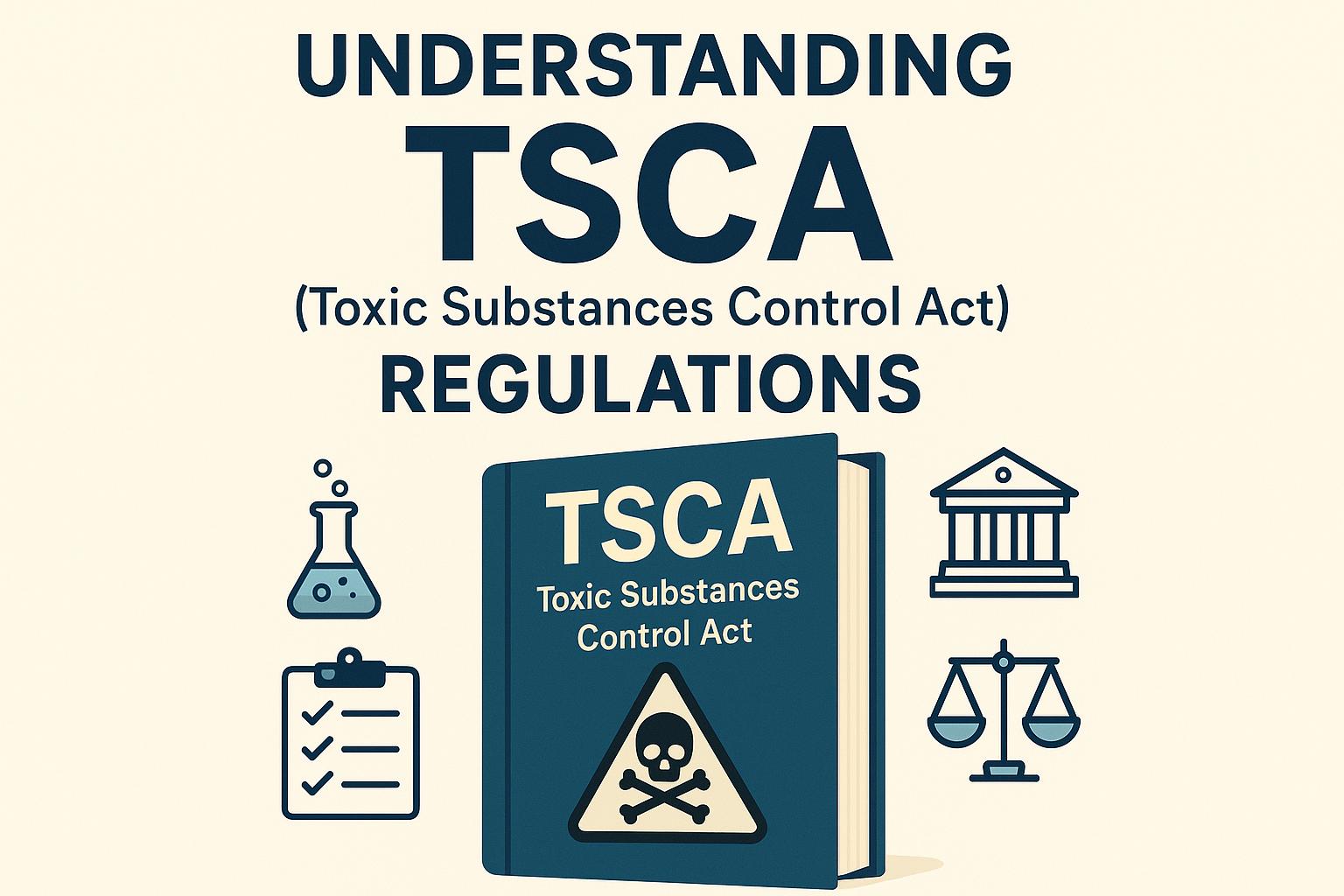
The Toxic Substances Control Act (TSCA) is a fundamental legislative framework in the United States, established to regulate the introduction and use of chemicals. Enacted in 1976, the act’s primary purpose is to ensure the protection of both the environment and public health by regulating chemical usage across various industries. The Environmental Protection Agency (EPA) is empowered by TSCA to enforce reporting, record-keeping, and testing requirements, along with imposing restrictions concerning chemical substances.
Key Provisions of TSCA
The TSCA framework empowers the EPA to critically evaluate existing chemicals and assess new substances that companies intend to introduce into commerce. The act necessitates the registration of new chemicals and mandates a thorough evaluation of potential environmental and health impacts before these chemicals can be manufactured or imported.
Chemical Testing and Assessment
A core provision within TSCA is the requirement for testing and assessment of chemical substances. The EPA is authorized to compel companies to conduct specific tests that yield data on potential risks associated with chemicals. This rigorous data collection enables the EPA to make informed determinations regarding chemicals that may pose environmental or health hazards.
The Inventory of Chemical Substances
One significant outcome of TSCA is the establishment of a comprehensive inventory listing all chemical substances that are manufactured, processed, or imported in the United States. This inventory acts as a regulatory baseline, ensuring that any new chemical introduced goes through the premanufacture notification process, thus maintaining oversight on chemical introduction and usage.
Risk Evaluation and Prioritization
TSCA offers a framework that allows the EPA to prioritize chemicals for risk evaluation by assessing their potential hazards alongside the extent of human or environmental exposure. The risk evaluation of a chemical helps to determine the level of regulation needed, which could range from limited restrictions to complete bans, depending on the identified risk levels.
Amendments and Modernization of TSCA
Over the years, the limitations of the original TSCA in effectively ensuring chemical safety were highlighted, leading to warranted criticism. To address these, the Frank R. Lautenberg Chemical Safety for the 21st Century Act was enacted in 2016. This amendment sought to enhance and modernize TSCA by strengthening the EPA’s authority, improving transparency, and establishing specific deadlines for evaluations and regulatory actions.
Improved Science-Based Evaluation
The 2016 amendments introduced a science-based evaluation approach, facilitating a balanced and comprehensive assessment of potential risks posed by chemicals. This modern approach involves a rigorous review of the best available scientific data and considers input from various stakeholders, including scientific experts, industry, and public interest groups.
Transparency and Public Access
A notable focus of TSCA’s modernization is the increased emphasis on transparency. The EPA is obliged to provide public access to critical information relating to chemical safety. This commitment to transparency includes publishing findings and maintaining open channels for public comment and input regarding chemical assessments and regulatory actions.
Impact on Industry and Compliance
TSCA regulations have a significant impact on numerous industries, from manufacturing sectors to agricultural enterprises. Companies must adhere to complex compliance requirements, ensuring diligent reporting and record-keeping to avoid legal penalties. It is imperative for businesses to remain informed about evolving TSCA regulations and ensure that their operations align with legal requisites.
Adhering to TSCA regulations involves a proactive approach where industries must be vigilant in their compliance efforts. Businesses are encouraged to engage with regulatory bodies such as the EPA, to gain a detailed understanding of their obligations under TSCA, ensuring proper alignment with legal standards and averting potential compliance pitfalls.
For the most up-to-date information regarding TSCA regulations, stakeholders and companies can access the EPA’s official site on Chemicals under TSCA, which provides a wealth of resources and guidance on compliance and regulatory updates.
Conclusion
A thorough understanding of TSCA regulations is critical for businesses and individuals interacting with chemical substances within the United States. TSCA’s regulatory framework plays an essential role in ensuring chemical safety, thus protecting both individuals and the environment from potential chemical hazards. By enforcing ongoing updates and improvements, TSCA strives to maintain a delicate balance between promoting industrial innovation and preserving ecological integrity and public health. Through enhanced regulatory measures and science-based evaluations, TSCA continues its mission to safeguard the environment and ensure sustainable chemical management practices.