
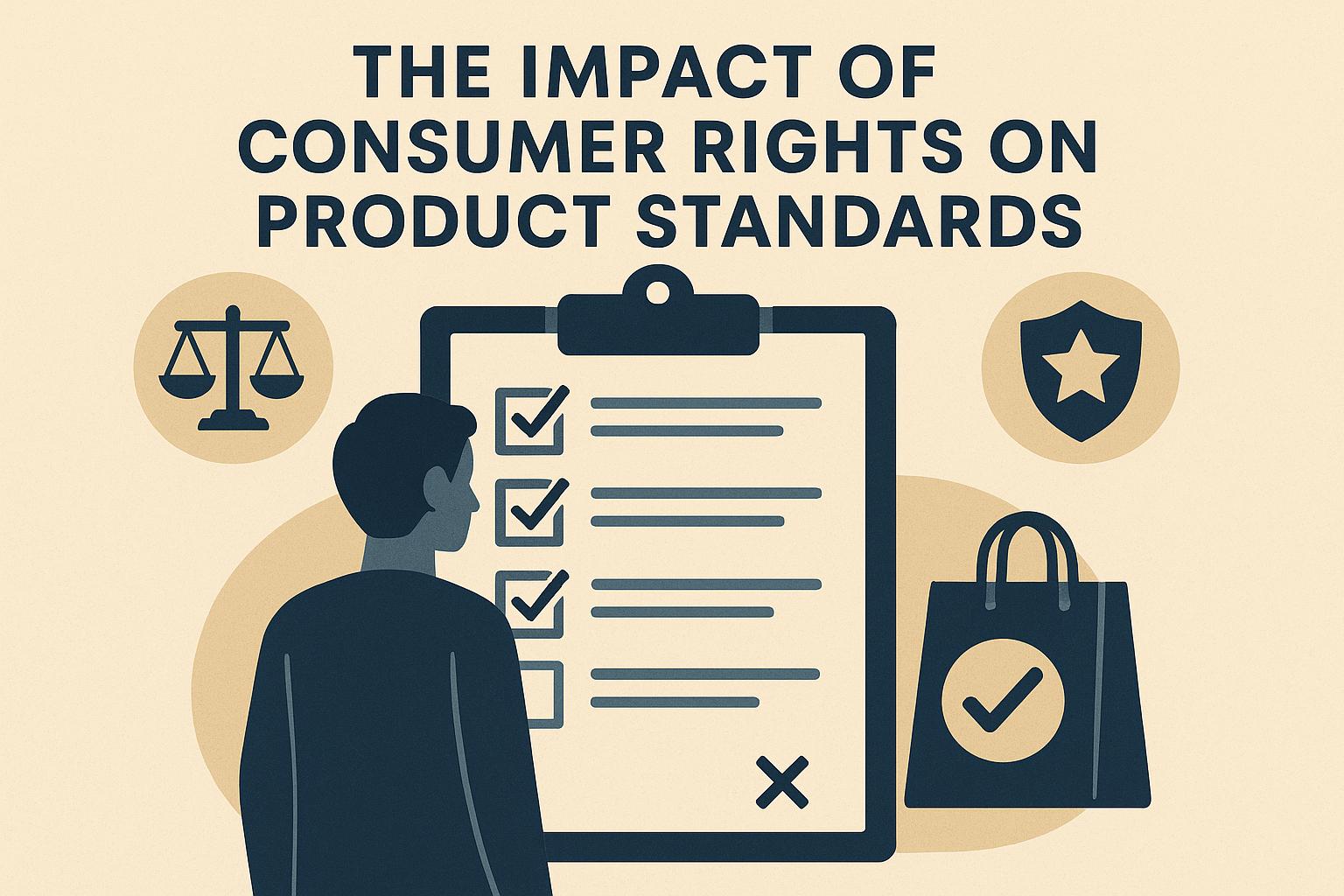
The Evolution of Consumer Rights
Consumer rights have become a cornerstone in influencing the landscape of product standards worldwide. Initially, during the early days of commerce, the ethos surrounding consumer rights was largely absent. Buyers were often left vulnerable to the whims and practices of manufacturers and retailers. Over time, with the rise in consumer awareness and the establishment of formal legal frameworks, these rights became more defined, fostering significant enhancements in product standards and consumer protection.
Key Components of Consumer Rights
Consumer rights, as they stand today, consist of a few critical components. Each element plays a vital role in ensuring consumers are safeguarded against exploitation while maintaining a high standard of product quality.
The Right to Safety
At the heart of consumer rights lies the right to safety. This fundamental principle requires that products available in the market are safe for consumption and use. To comply with this right, regulatory bodies around the globe have instituted stringent safety standards. These regulations aim to prevent manufacturers from distributing dangerous or harmful products. This consumer right has given rise to comprehensive safety regulations, thorough product testing, and rigorous certification processes. As products are subjected to these measures, they must meet specific criteria before they can enter the marketplace, thereby ensuring consumer safety as a primary concern.
The Right to Be Informed
Another critical component is the right to be informed. This right empowers consumers to access accurate and comprehensive information about the products they purchase. This includes details on pricing, quality, ingredients, and any potential risks associated with the product. Companies are obligated to provide transparent labeling, detailed user manuals, and clear product specifications. This transparency ensures that consumers can make well-informed decisions, creating pressure on companies to uphold high production and ethical standards.
The Right to Choose
The right to choose grants consumers the liberty to select from a wide array of products and services, fostering market competition and ensuring fair pricing. This right is instrumental in driving competitive markets, prompting companies to continually enhance their product standards to remain appealing to consumers. In a landscape where consumers have myriad options, companies that prioritize consumer choice are often more likely to succeed.
Impact on Product Standards
The enforcement of consumer rights bears a direct impact on the standards of products available in the market. As consumer rights become more prominent and robust, manufacturers and suppliers are held to higher accountability, which in turn leads to a greater investment in quality control and innovation.
Regulatory Compliance and Quality Control
Increased consumer rights have led to an environment where companies must adhere to stringent regulatory requirements. Non-compliance can result in a series of consequences like legal penalties, product recalls, and damage to a company’s reputation. To mitigate these risks, manufacturers are compelled to implement quality control measures that align with the required standards, thereby guaranteeing both product safety and reliability.
Innovation and Product Improvements
The quest for producing safer, higher-quality products revolves substantially around innovation and improvement. The demand for advanced technology, cutting-edge design, and premium materials in manufacturing has pushed companies to explore new horizons. Organizations that place a high value on consumer rights often secure a competitive edge in the market. Consumers are more inclined to trust and patronize brands committed to delivering superior quality goods, creating an environment where continuous innovation is not just encouraged but necessary.
Challenges and Future Directions
Despite the substantial progress made, several challenges still linger when it comes to harmonizing consumer rights with global product standards. Disparities in regulatory frameworks, varying cultural expectations, and diverse economic conditions can result in inconsistent levels of consumer protection and product quality. Effectively addressing these challenges necessitates collaboration on an international scale and uniform enforcement of consumer rights.
In striving for a more unified approach to consumer rights, it is crucial for international bodies, such as the Federal Trade Commission, to work together. They provide essential resources and create platforms for the development of coherent consumer protection strategies.
Consumer rights have undeniably exerted a profound influence on product standards. The journey so far, while marked with achievements, underscores the need for continued dedication to safeguarding global consumers. It emphasizes the importance of ongoing efforts to ensure safe, high-quality products are accessible to consumers everywhere, thus reinforcing the foundational aspects of consumer rights for future generations.