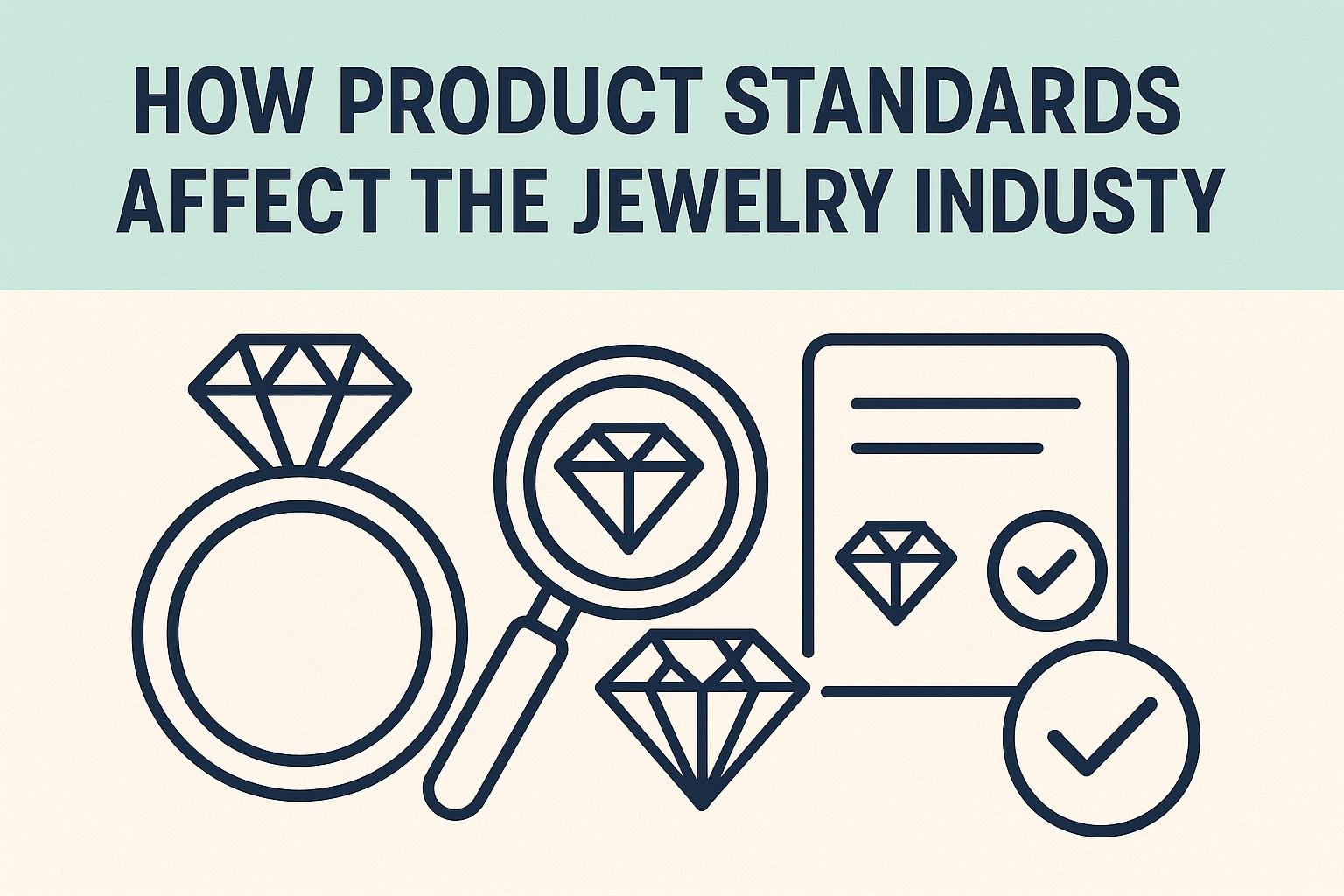
Introduction to Product Standards in the Jewelry Industry
The jewelry industry, recognized for its elaborate artistry and the utilization of valuable materials, relies heavily upon the establishment and maintenance of strict product standards. These standards serve not only as guidelines but also as a framework for the assurance of quality, safety, and ethical practices, ensuring that the products meet specific criteria before reaching consumers. In navigating the complexities of this industry, it is crucial to understand the underlying principles and benefits of these standards, as they play a pivotal role in shaping the landscape of jewelry production and distribution.
The Role of Product Standards
Product standards in the jewelry industry are integral because they determine various aspects ranging from material specifications to the precise measurement of metal purity and the certification of gemstones. For instance, to be legitimately marketed and recognized as 24-karat, gold must attain a purity level of 99.9%. Such stringent requirements are central to maintaining high quality, safeguarding consumer interests, and enhancing the industry’s credibility, assuring stakeholders that each piece meets internationally accepted levels of excellence.
Ensuring Quality and Safety
Fundamental to these standards is the authenticity verification of the materials used. By adhering to established benchmarks, the industry ensures that it delivers products that are not just aesthetically appealing but also durable and safe for consumers to wear. Compliance with these standards significantly reduces risks associated with harmful materials or inferior practices. A prime example is the regulation of nickel content in jewelry, crucial because nickel is a common allergen for many consumers. Such measures are essential to protect public health and foster trust in the products offered by jewelers worldwide.
Promoting Ethical Practices
Beyond quality and safety, product standards extensively cover ethical practices. This includes sourcing materials from conflict-free zones and adhering to fair labor practices. Organizations and initiatives, such as the Responsible Jewellery Council, are at the forefront of promoting ethical sourcing, a concern that is growing ever more pronounced among today’s consumers. By embracing these standards, companies can improve their reputations and align themselves with the ethical values that resonate with modern consumers. Such alignment can lead to increased customer loyalty and market differentiation.
Impact on the Supply Chain
The entire jewelry supply chain, from miners to retailers, derives significant benefits from well-defined product standards. These guidelines streamline processes across the board, ensuring uniformity in production and sales. Moreover, such standards facilitate trade by reducing the risk of misunderstandings regarding product specifications and establishing a common set of expectations that all parties can adhere to. This leads to greater efficiency and cooperation along the supply chain, ultimately benefiting both producers and consumers alike.
Challenges in Implementation
Despite their apparent advantages, the implementation of product standards throughout the jewelry industry is not without challenges. Small-scale artisans and companies often encounter significant financial and logistical barriers when attempting to meet these rigorous standards. Additionally, variations in global standards can lead to inconsistencies, which necessitate ongoing international cooperation and concerted efforts towards standard harmonization. Addressing these challenges requires innovative solutions and collaborative approaches to ensure that all participants in the industry can benefit from these standards.
The Role of Certification Bodies
Independent certification bodies are crucial in the enforcement of product standards, offering third-party verification that enhances consumer confidence in the jewelry market. Certifications, such as the Kimberley Process Certification Scheme, are devised to prevent conflict diamonds from entering the mainstream market. Businesses that earn these certifications gain a competitive edge, clearly distinguishing themselves in a crowded market by signaling their commitment to ethical sourcing and high standards of quality. This not only improves market standing but also fosters consumer trust and loyalty.
The Consumer’s Perspective
From the consumer’s standpoint, product standards provide a sense of assurance regarding the quality and ethical integrity of jewelry, significantly influencing purchasing decisions. With growing awareness and concern over ethical sourcing and product safety, many buyers actively seek out certifications and labels that confirm a product’s compliance with established standards. The availability of greater transparency and access to information further empowers consumers, enabling them to make informed choices that align with their personal values and the expectations they hold for quality.
Conclusion
In conclusion, product standards have an extensive and significant impact on the jewelry industry, shaping the manner in which companies operate and how their products are perceived. By consistently adhering to these standards, the industry not only preserves its rich heritage and traditional know-how but also adapts to contemporary demands for quality, safety, and ethical integrity. As the industry continues to evolve, an ongoing dialogue among stakeholders is essential in refining and updating standards to meet emerging trends and address new challenges. In doing so, the jewelry industry can ensure its sustainability and relevance in a dynamic global market, fostering innovation, trust, and consumer satisfaction.