
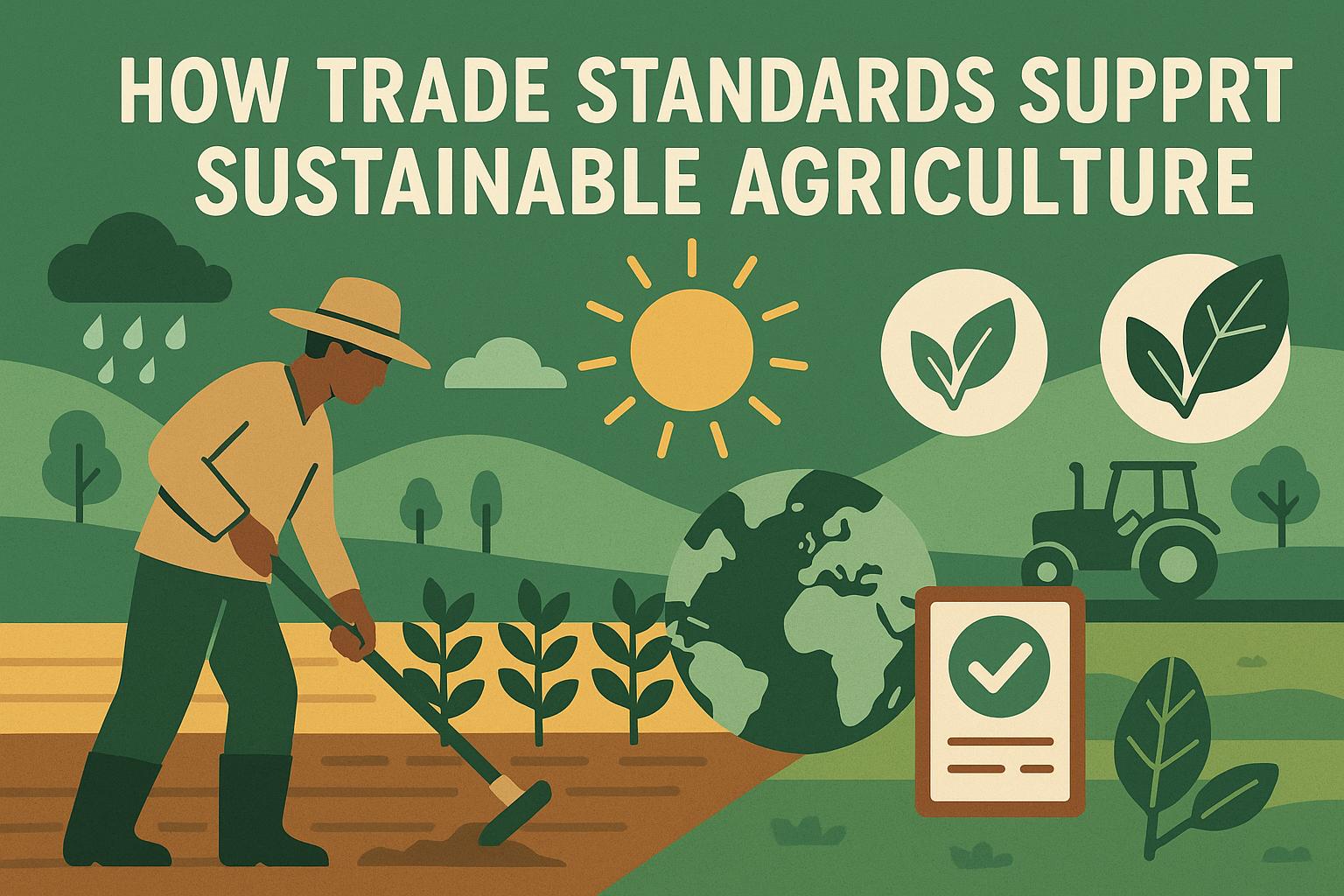
The Role of Trade Standards in Sustainable Agriculture
Trade standards are increasingly recognized as vital elements in the pursuit of sustainable agriculture. They encapsulate a range of guidelines and criteria that not only foster environmentally friendly practices but also contribute to social equity and economic resilience within the agricultural sector. This holistic approach is crucial in aligning agricultural practices with the broader objectives of sustainable development, thereby ensuring the longevity and health of our planet’s resources. To appreciate the full impact of trade standards on sustainable agriculture, it’s essential to delve deeper into several key areas: environmental protection, social benefits, and economic growth.
Environmental Protection
At the heart of sustainable agriculture is the need to conserve the environment. Trade standards often encapsulate rigorous environmental guidelines that farmers are required to follow. These guidelines cover various facets of agriculture and have significant implications for how farming is conducted around the world.
Firstly, by setting limits on pesticide use, trade standards act as a safeguard against soil degradation and water pollution. Pesticides, when overly used, can lead to significant harm to ecosystems, affecting both flora and fauna. Trade standards ensure that any pesticide used is within safe limits to minimize environmental harm.
In addition to pesticides, trade standards emphasize the importance of soil management. A well-managed soil system is crucial for sustainable agriculture as it supports plant growth and plays a role in carbon sequestration. Standards that focus on soil health help maintain the balance of nutrients and prevent erosion, which can lead to land degradation.
Water conservation is another critical component of environmental protection. Trade standards promote water-efficient practices, encouraging farmers to adopt irrigation techniques that minimize waste while maintaining crop yields. By conserving water, these standards help mitigate the effects of droughts and ensure water availability for future use.
Promoting Efficient Resource Utilization
Trade standards are instrumental in advocating for the efficient use of agricultural resources, which is paramount for sustainability. They facilitate practices like crop rotation, which helps in maintaining soil fertility and reducing pest and disease outbreaks. Crop rotation involves alternating the crops grown on a particular piece of land, thus allowing the soil to replenish its nutrients naturally, without reliance on chemical fertilizers.
Integrated pest management (IPM) is another practice encouraged by trade standards. IPM involves a combination of biological, mechanical, and chemical measures to control pests sustainably. This holistic manner of pest control minimizes the dependence on chemical pesticides, reducing environmental impact while ensuring effective pest management.
Social Benefits
Sustainable agriculture is not only about preserving nature but also about fostering a fair and equitable system for all involved. Trade standards play a significant role in addressing social issues within the agricultural domain.
By focusing on improving labor conditions, trade standards ensure that the rights of farmers and agricultural workers are protected. This includes fair wages, safe working conditions, and the prohibition of child or forced labor. Such standards contribute to a just labor system where all individuals are treated with respect and dignity.
Furthermore, supporting fair trade practices ensures that producers, particularly in developing countries, receive fair prices for their products. Fair trade’s equitable approach enables farmers to invest in better farming practices, community development, and education, thereby elevating the standard of living for entire communities.
Ensuring Food Safety and Quality
Food safety and quality are paramount in building consumer trust and expanding market access. By adhering to stringent standards, agricultural producers can assure both domestic and international markets of the safety and quality of their products.
Trade standards often outline specific parameters that need to be met for agricultural products to be considered safe for consumption. This includes the absence of harmful chemicals, proper handling throughout the supply chain, and adherence to hygiene standards. Meeting these guidelines not only protects consumer health but also paves the way for enhanced market opportunities, as products meeting high safety standards are more likely to be favored by retailers and consumers alike.
Economic Growth
Adhering to trade standards can serve as a catalyst for economic growth within the agricultural sector. By complying with international trade standards, farmers and producers can tap into broader markets that demand adherence to specific environmental and social criteria.
One of the significant economic advantages of following trade standards is increased market access. Products that meet recognized standards have a competitive edge, making them more appealing in both local and international markets. This opens up new revenue streams and enhances the economic resilience of agricultural communities.
Encouraging Innovation and Technology Adoption
The requirement to comply with trade standards often propels innovation and the adoption of new technologies in agriculture. As farmers strive to meet these standards, they are encouraged to incorporate technologies that not only improve productivity but also have a reduced environmental impact.
For instance, precision agriculture technologies, which include the use of GPS and data analytics for efficient resource management, can be employed to meet trade standards. These technologies help optimize inputs like seeds, fertilizers, and water, leading to more efficient and sustainable agricultural practices. Moreover, innovation spurred by the need to comply with trade standards can lead to the development of new farming methods or products, thus contributing to the overall growth of the agricultural sector.
Conclusion
In conclusion, trade standards are an essential factor in expanding sustainable agriculture. They establish a comprehensive framework that promotes environmentally responsible practices, supports social equity, and facilitates economic resilience. By understanding the multifaceted role that trade standards play within agriculture, stakeholders can make informed decisions that align with global sustainability goals. The implementation of these standards ensures agriculture’s role as a driver of sustainable development, safeguarding resources and livelihoods for current and future generations.