Understanding ISO 22301
ISO 22301 is an internationally recognized standard specifically designed for Business Continuity Management Systems (BCMS). It provides a comprehensive framework that assists organizations in developing a systematic approach to maintaining operational continuity in the event of incidents or disruptions. This standard is universally applicable to businesses of any size and from any sector, as it aims to enhance their resilience against unforeseen challenges and disruptions, ensuring that critical operations can continue even under adverse conditions.
Key Elements of ISO 22301
The ISO 22301 standard encompasses specific requirements and guidance for establishing a robust BCMS. It emphasizes several critical aspects that organizations must focus on to achieve effective business continuity. These aspects include gaining a clear understanding of the organization’s context, establishing strong leadership commitment, conducting thorough risk and impact assessments, and implementing strategic response and recovery plans. By adhering to these guidelines, businesses can align their continuity strategies with best practices endorsed by global experts in the field of business continuity management.
Leadership and Planning
A pivotal component of ISO 22301 is leadership commitment, which is essential for the successful implementation of a BCMS. This commitment requires securing active involvement and buy-in from top management to ensure the necessary resources, including time and budget, are adequately allocated. The planning phase is crucial; it involves defining the scope of the BCMS, thoroughly identifying potential threats and vulnerabilities, and developing a rigorous business impact analysis. Such analysis aids in prioritizing actions based on the level of risk and potential impact, thus enabling targeted and effective planning efforts.
Support and Operation
The standard underscores the necessity for organizations to establish a robust support system that includes providing relevant training and developing effective communication strategies. Ensuring adequate support means that employees across the organization are equipped with the knowledge and skills necessary to perform their roles effectively during disruptions. Operations under ISO 22301 guidelines involve conducting regular exercises and drills designed to simulate a range of potential disruptions. These simulations play a critical role in ensuring that employees are well-prepared and familiar with their roles and responsibilities in actual scenarios, thus minimizing uncertainty and enhancing response effectiveness.
Benefits of ISO 22301
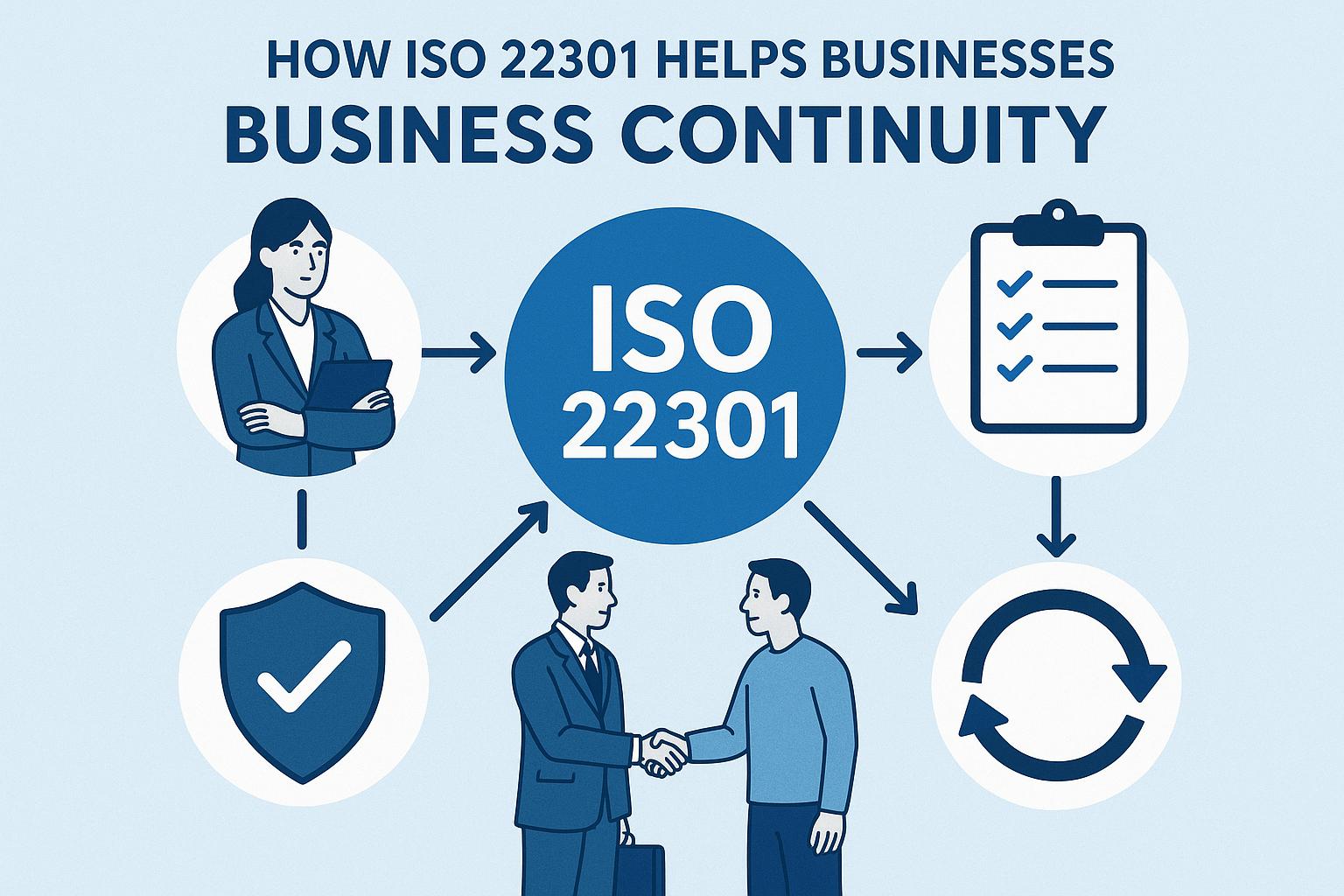
The implementation of ISO 22301 yields numerous benefits for businesses. By following its principles, organizations significantly bolster their operational resilience, resulting in a marked reduction in downtime and an enhanced ability to recover quickly from disruptions. This capability not only minimizes financial losses but also enhances an organization’s reputation among clients and stakeholders. Demonstrating robust business continuity processes fosters trust and reliability, setting the stage for stronger business relationships and customer confidence.
Increased Competitive Advantage
Certification in ISO 22301 serves as a clear indicator of a business’s commitment to maintaining business continuity. By achieving this certification, businesses gain a distinct competitive edge in the marketplace. Prospective clients and partners often view ISO 22301 certification as a significant differentiator when evaluating the reliability and robustness of potential business collaborators. This certification communicates to stakeholders that the organization is proactive in its continuity efforts and is well-prepared to handle unforeseen challenges effectively.
Regulatory Compliance and Risk Mitigation
For organizations operating within highly regulated industries, compliance with legal and regulatory requirements concerning business continuity is often mandatory. ISO 22301 serves as a valuable tool in achieving such compliance. The standard provides a structured and organized approach to risk management, enabling businesses to systematically identify, assess, and proactively mitigate risks. This proactive risk management approach aligns with regulatory expectations and supports organizations in fulfilling their legal obligations while enhancing overall resilience.
Implementation of ISO 22301
Organizations considering pursuing ISO 22301 certification should commence by thoroughly understanding the requirements of the standard and conducting a comprehensive gap analysis. This analysis involves evaluating existing procedures, processes, and systems against the guidelines set out by ISO 22301 to identify areas for improvement. Engaging with experts or consultants who possess specialized knowledge and experience in ISO 22301 can significantly facilitate a smoother and more efficient implementation process, ensuring alignment with best practices.
The subsequent step lies in establishing a BCMS that is specifically tailored to the organization’s unique context and operational environment. This system should encompass clearly defined roles, responsibilities, and processes that are in harmony with the organization’s strategic objectives. Regular reviews and updates are imperative to ensure that the BCMS remains effective, responsive, and relevant in the face of evolving threats and changing business dynamics.
Conclusion
ISO 22301 serves as an indispensable tool for organizations seeking to enhance their resilience and ensure continuity in the presence of disruptions. By adopting this standard, businesses can construct a resilient framework that adequately prepares them for potential challenges while maintaining their operational integrity. Investing in a Business Continuity Management System based on ISO 22301 standards represents a strategic decision that supports long-term stability and growth. This proactive approach to business continuity not only safeguards interrupted operations but also instills confidence among stakeholders, reinforcing an organization’s position in its respective market.
For further information on ISO 22301, you may consult the official ISO website for additional resources and guidance.