Understanding ISO 26000
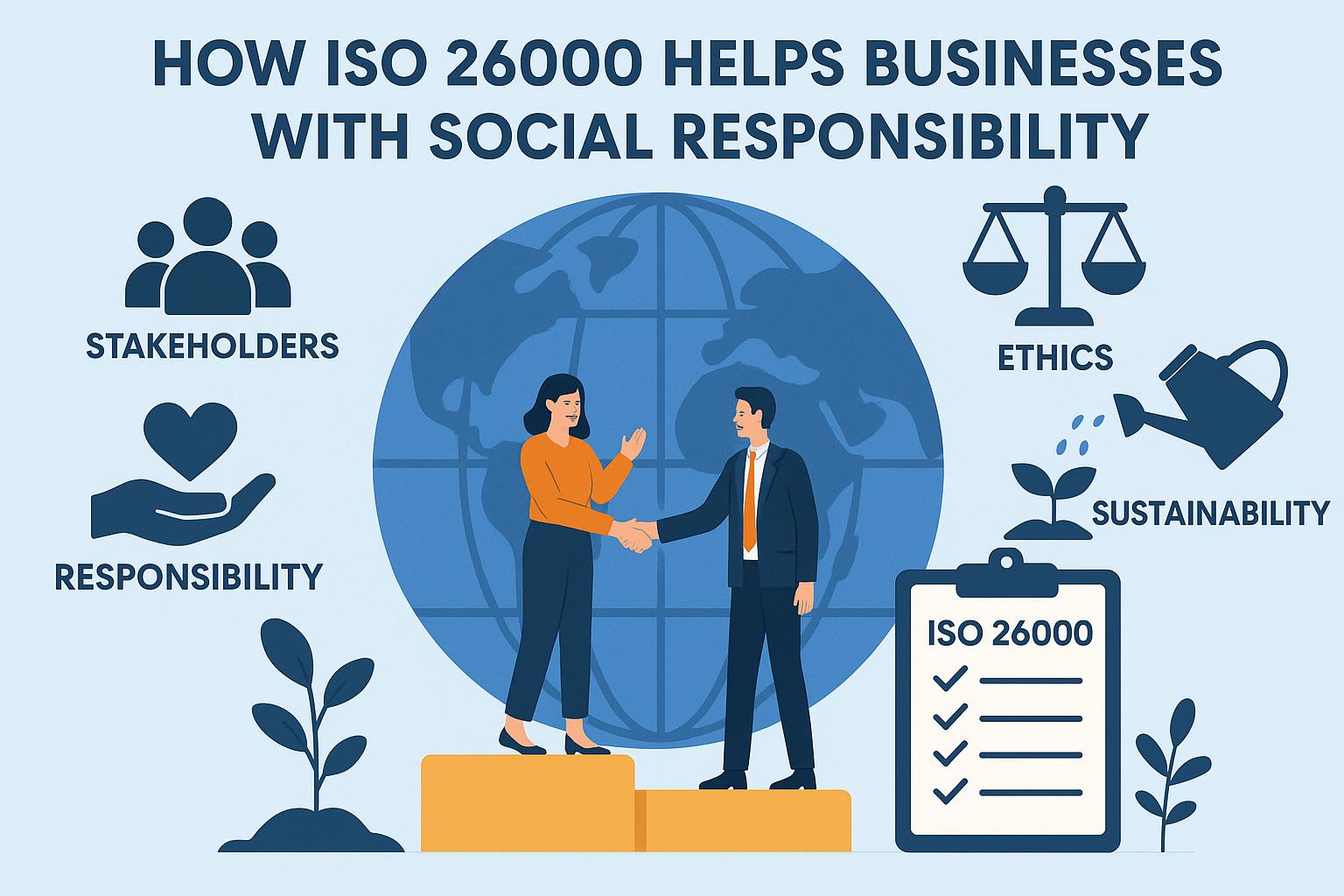
ISO 26000 is an international standard developed by the International Organization for Standardization (ISO) to provide guidance to businesses and organizations in the realm of social responsibility. This standard fosters an understanding of the importance of sustainable and ethical practices in business operations. Notably, ISO 26000 is distinct from many other ISO standards since it is not designed for certification but rather serves as a comprehensive guide that aids organizations in enhancing their social responsibility through improved practices and policies.
The Key Principles of ISO 26000
At the core of ISO 26000 are several essential principles of social responsibility. These principles are key ethical and operational pillars that organizations are encouraged to uphold and integrate into their business ethos.
Accountability implies that organizations should be answerable for their actions and impacts on society, the environment, and the economy. Transparency involves clear, accurate, and complete communication with stakeholders regarding decisions and activities. By promoting ethical behavior, businesses are urged to conduct themselves with integrity and fairness at all times.
ISO 26000 also stresses the importance of respect for stakeholder interests. Organizations are encouraged to consider the various interests of stakeholders, including employees, customers, suppliers, and the community. Respect for the rule of law and international norms of behavior ensures that businesses adhere to local laws as well as accepted international ethical standards. Lastly, there is an unequivocal emphasis on human rights, encouraging entities to promote and protect fundamental human rights within their sphere of influence.
Core Subjects of ISO 26000
ISO 26000 outlines seven core subjects, each highlighting critical areas where businesses should focus their social responsibility efforts. These subjects form a comprehensive framework for implementing socially responsible practices across various organizational levels.
1. Organizational Governance: Good governance is the backbone of social responsibility, ensuring that organizational practices are ethical, transparent, and aligned with social responsibility objectives. Effective governance encompasses decision-making processes that promote accountability and integrity.
2. Human Rights: Organizations are advised to respect and contribute positively to human rights standards. This involves assessing the human rights implications of business activities and ensuring that operations do not infringe upon the rights of individuals or communities.
3. Labor Practices: This core subject encompasses fair and equitable labor practices that promote safe, healthy working conditions and recognize the rights of workers. In practice, this involves adhering to labor laws, promoting worker welfare, and fostering an inclusive work environment.
4. Environment: Environmental stewardship is a key aspect of social responsibility. Businesses are encouraged to minimize their environmental footprint by adopting sustainable practices that conserve resources, reduce emissions, and encourage recycling and waste management.
5. Fair Operating Practices: Ethical business conduct extends to the marketplace, where organizations are urged to engage in fair practices such as anti-corruption measures and promoting fair competition. Businesses are encouraged to ensure that all dealings uphold ethical standards.
6. Consumer Issues: Treating consumers with fairness and respect forms another pivotal component of ISO 26000. Organizations are prompted to provide products and services that are safe, reliable, and priced fairly, while also addressing consumer feedback diligently.
7. Community Involvement and Development: Participation in community development is a crucial aspect under this standard. Businesses are encouraged to engage with local communities, support socioeconomic development, and foster partnerships that benefit society at large.
Benefits of Implementing ISO 26000
The implementation of ISO 26000 can yield significant benefits across organizational and societal dimensions. By publicly demonstrating a commitment to social and environmental responsibility, organizations can enhance their reputation and brand value. This commitment not only garners the trust and loyalty of stakeholders but also attracts socially-conscious consumers and investors, opening up new market opportunities.
Adhering to ISO 26000 guidelines can also lead to improved stakeholder relationships. Trust and cooperation develop as businesses engage more actively and responsibly with partners, employees, and communities. By addressing stakeholders’ concerns and expectations, companies can avoid conflicts and promote a harmonious business environment.
From an operational perspective, embracing the principles of ISO 26000 often leads to increased efficiency. Sustainable practices can help reduce resource consumption and waste, thereby translating into cost savings over time. Additionally, businesses that prioritize ethical operating practices are better positioned to manage risks associated with social and environmental factors, thus achieving long-term operational resilience.
Challenges in Implementation
Despite the many benefits, organizations may encounter several challenges in implementing the ISO 26000 standards. One significant challenge lies in the complexity and breadth of the guidelines. Due to its wide-ranging scope, businesses may find it challenging to assimilate all aspects of the standard into their existing operations.
Moreover, successful implementation of ISO 26000 often requires resources for training staff and revising organizational processes to align with the guidelines. Smaller organizations might find it particularly challenging to allocate the necessary resources, both financial and human, to adapt and sustain these initiatives.
Maintaining ongoing compliance also demands that organizations continuously monitor and evaluate their social responsibility measures, which can be resource-intensive. Nonetheless, overcoming these challenges can reap substantial benefits in the long term, aligning organizations with global best practices for social responsibility.
Conclusion
ISO 26000 serves as a vital tool for organizations aiming to align their operations with international standards of social responsibility. Through its key principles and core subjects, businesses receive a comprehensive framework to improve upon their impact on society and the environment. By integrating ISO 26000 standards, organizations can build stronger ties with stakeholders and contribute positively to sustainable development.
Furthermore, the collaborative approach encouraged by ISO 26000 fosters an organizational culture that prioritizes ethical behavior and values the contribution of every stakeholder. Businesses that successfully implement ISO 26000 can achieve not only a better operational framework but also a competitive advantage in an increasingly socially-conscious global market. For those seeking deeper insights and strategies, the International Organization for Standardization provides additional resources and support for the effective application of ISO 26000.