The Role of Harmonized Standards in Trade Agreements
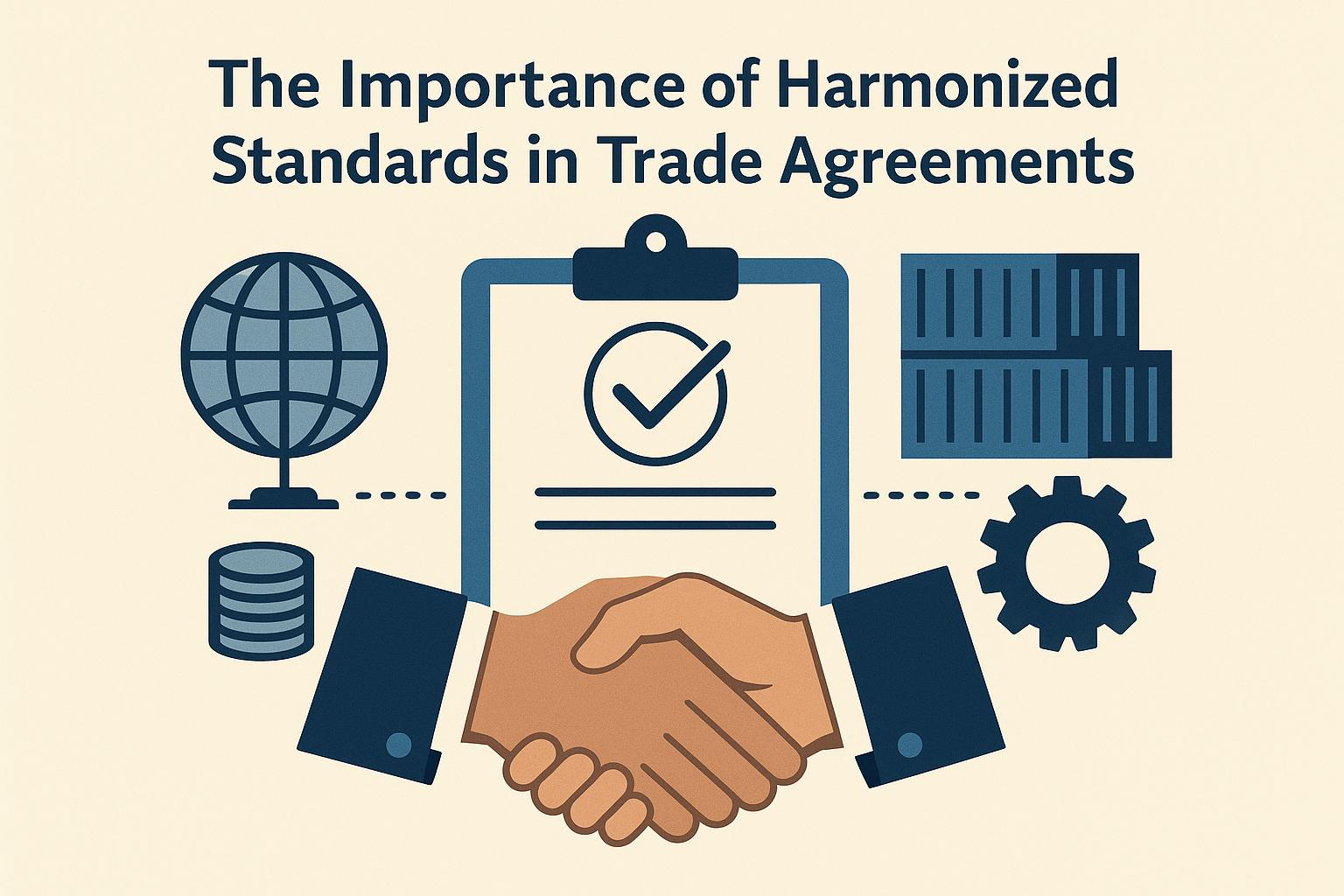
The increasing globalization of markets has necessitated the development and implementation of common standards within trade agreements. Harmonized standards play a crucial role in facilitating international trade by reducing trade barriers and promoting efficiency across borders.
Defining Harmonized Standards
Harmonized standards are agreed-upon norms or criteria across different markets or countries that ensure products, services, and processes meet specific quality benchmarks. These standards are often developed through international organizations such as the International Organization for Standardization (ISO) or the International Electrotechnical Commission (IEC), among others.
Understanding the Importance: The creation of harmonized standards involves collaboration among various stakeholders, including governments, industry experts, and international bodies. This collaboration ensures that the standards are comprehensive, addressing the needs of different sectors while promoting global consistency.
Global Impact: By ensuring consistency, harmonized standards reduce the tendency for countries to develop conflicting regulations. As businesses increasingly engage in cross-border operations, the importance of these standards in minimizing discrepancies in quality and safety becomes more apparent, ultimately boosting international commerce.
Facilitation of Trade
One of the primary benefits of harmonized standards is their ability to simplify trade. By having consistent standards, businesses can reduce the potential costs and complexities associated with adhering to multiple regulations in different countries. This is particularly evident in sectors like electronics, automotive, and pharmaceuticals, where product specifications must meet stringent requirements.
Creating a Unified Market: In a world where markets are interlinked, harmonized standards act as the foundation for a seamless business environment. Companies operating in different regions can produce goods under a single set of guidelines, minimizing production costs and operational hiccups associated with varying standards.
Case Examples: Take the electronics industry, for example. Unified technical requirements ensure that products like smartphones and laptops are compatible with systems in various countries, reducing the manufacturer’s need to modify the product for each individual market. Similarly, in the pharmaceutical industry, adhering to common standards ensures the efficacy and safety of drugs distributed globally.
Reduction of Technical Barriers
Technical Barriers to Trade (TBT) are often cited as one of the main obstacles in international trade. They arise when countries have differing standards and regulations, leading to increased testing and certification costs. Harmonized standards help mitigate these barriers by providing common ground for testing and certification processes, thus ensuring that products developed in one country are easily accepted in another.
Streamlining Certification: By having a uniform set of standards, the need for multiple certifications is reduced. Products that pass the certification process in one country may not need additional, costly testing elsewhere, thus simplifying market entry and encouraging trade flows.
Financial and Time Savings: Businesses save both time and resources by avoiding repetitive testing procedures. This not only reduces the operational costs but also speeds up the time-to-market, which is crucial in industries where rapid innovation and deployment are vital.
Enhancing Competitiveness
A harmonized approach in standards can also enhance a country’s competitive edge in the global market. Companies that adhere to international standards can demonstrate their commitment to quality and best practices, thereby improving their marketability and consumer trust across various regions.
Market Positioning: Firms that operate within harmonized standards often leverage their compliance as a key differentiator. This competitive advantage is especially important in fiercely contested markets where conformity to international norms is not just expected but demanded.
Reputation and Reliability: Conformance to mutually agreed standards bolsters a company’s reputation for reliability and quality. In an increasingly interconnected marketplace, consumer confidence predicated on recognizable standards plays a significant role in purchasing decisions.
Boosting Innovation and Safety
Harmonized standards not only streamline trade but also encourage innovation. By providing a unified framework for research and development, companies can invest in creating new products without the risk of non-compliance in different regions. Additionally, standardized safety protocols protect consumers globally, ensuring safer and more reliable products.
Encouraging Creativity: Through universal standards, organizations have the flexibility to focus more on innovation rather than on adapting products to suit different regulations. This can result in the development of cutting-edge technologies that benefit the global population.
Global Safety Net: Safety standards, whether in consumer electronics or pharmaceuticals, ensure that products are tested rigorously to prevent malfunctions or health risks. These safety assurances boost consumer trust and prevent incidents that could damage reputations and incur liabilities.
The Challenges of Harmonization
While the benefits of harmonized standards are evident, the process of developing and implementing them can be complex. Differences in political, economic, and cultural landscapes may impede the creation of universal standards. Moreover, smaller businesses might face challenges in aligning with these standards due to resource constraints.
Diversity in Approach: Harmonizing standards is often easier said than done, given the diverse perspectives and practices that exist across countries. Economic imperatives and national regulatory landscapes might conflict with global standardization efforts, requiring nuanced negotiation and compromise.
Resource Complications: Smaller firms often encounter difficulties in adopting international standards due to the limited availability of financial and human resources. This can lead to competitive disadvantages when entering the global market, making harmonization efforts particularly challenging for these enterprises.
Conclusion
In conclusion, harmonized standards are a vital component in the facilitation of international trade. They offer numerous advantages, including reducing technical barriers, enhancing competitiveness, and fostering innovation and safety. Despite certain challenges, the ongoing development and adoption of harmonized standards remain critical for achieving an efficient and effective global trading system.
Future Prospects: Looking forward, the continued collaboration between international organizations, governments, and industry participants is essential to overcome obstacles in standard harmonization. As global trade expands, the role of harmonized standards will likely become more significant, enabling a harmonious balance between globalization benefits and localized needs.
Conclusion Insights: Ultimately, harmonized standards serve as the backbone of international commerce, ensuring that the complexities of global trade are managed effectively while fostering an environment of trust, quality assurance, and uninterrupted innovation across borders.